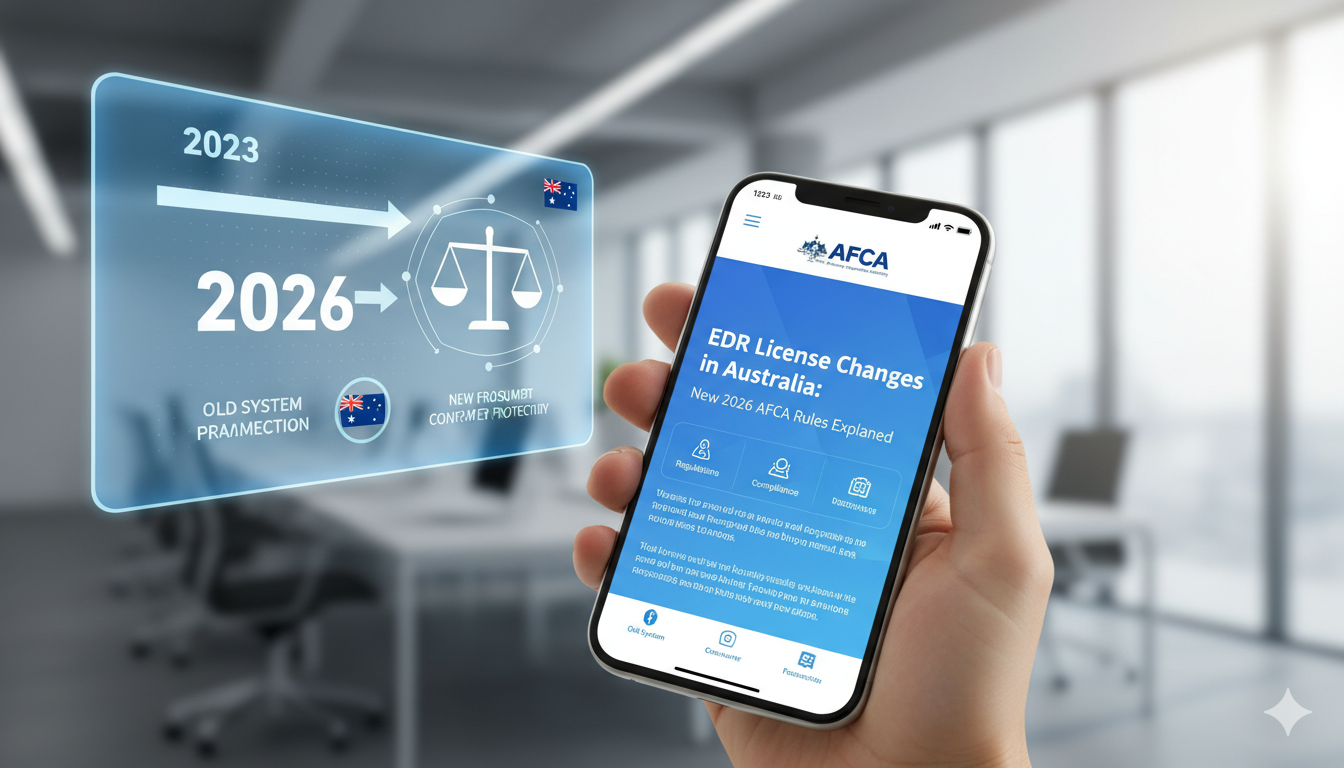
Managing a business in the financial world can feel like trying to solve a puzzle while someone keeps changing the pieces. Recently, the talk of the town has been the edr license changes in australia. If you are a financial firm or a credit provider, you probably know that External Dispute Resolution (EDR) is a must-have for keeping your license healthy and your customers happy. These updates aren’t just minor tweaks; they are designed to make things fairer and faster for everyone involved. Let’s dive into what is happening right now and how you can stay ahead of the curve.
Understanding the New EDR Landscape
The world of finance is moving fast, and the rules are racing to keep up. The recent edr license changes in australia focus heavily on how firms handle complaints and how transparent they are with the public. One of the biggest shifts is moving away from physical paperwork. Starting soon, the Australian Financial Complaints Authority (AFCA) will stop sending out those paper membership certificates. Instead, everything is going digital. This means you’ll need to prove your membership through an online portal. It’s a small change that makes a big difference in reducing fraud and speeding up the whole process.
Why These Changes Matter for Your Business
You might be wondering why the government is pushing for these edr license changes in australia. The main goal is to protect consumers while making sure firms are held accountable. For example, the new rules give AFCA more power to handle complaints about scams. In the past, it was sometimes tricky to figure out who was responsible when a scam happened. Now, the rules are clearer about the roles of receiving banks. This helps build trust in the entire financial system, which is good for your business in the long run.
The Role of AFCA in 2026
AFCA is like the referee in a big sports match. They make sure everyone plays by the rules. Under the latest edr license changes in australia, AFCA has updated its rulebook to be more efficient. As of March 2026, they have new powers to publicly name firms that don’t follow their decisions. This is a big deal because a good reputation is everything in finance. By keeping your AFCA membership active and following their guidelines, you show your clients that you are a professional and trustworthy player in the market.
New Rules for Paid Representatives
If you use a paid representative to help with complaints, there are new things you need to know. The edr license changes in australia now require these representatives to use specific digital channels. This is meant to stop delays and keep communication organized. It’s all about making sure that if a customer has a problem, it gets solved quickly without getting lost in a pile of emails. If your business acts as a representative for others, you might even need to become an AFCA member yourself depending on the legal requirements.
Staying Compliant with ASIC Standards
ASIC and AFCA work together like a team. To keep your Australian Financial Services License (AFSL), you must meet certain standards for Internal Dispute Resolution (IDR) and maintain your EDR membership. The edr license changes in australia remind us that missing a membership payment can lead to serious trouble with ASIC. If you aren’t a member of an approved EDR scheme, you are technically in breach of your license. It’s always best to mark your calendar for May and June when renewal invoices usually arrive.
How Scams Impact EDR Obligations
Scams are becoming more complex, and the edr license changes in australia reflect this reality. The updated rules allow AFCA to look into “mule accounts” and how banks handle suspicious transfers. For financial firms, this means you need to be more vigilant than ever. It’s not just about solving a complaint; it’s about preventing the issue before it starts. By understanding these new jurisdiction rules, you can better prepare your team to handle tricky scam-related disputes that might come your way.
Transitioning to Digital Membership
Say goodbye to the filing cabinet! One of the most practical edr license changes in australia is the shift to real-time digital verification. Since physical certificates are being phased out, you should ensure your digital records are up to date. This change helps when you are applying for government tenders or showing proof of compliance to a business partner. You can simply point them to the AFCA website search tool. It’s faster, safer, and much harder for anyone to fake.
Transparency and Public Naming
Nobody wants their name on a “naughty list,” and the edr license changes in australia have introduced a way to keep firms on their best behavior. AFCA can now name firms that fail to comply with their final determinations. However, it’s not an overnight process. They will give you a chance to explain or fix the issue first. This move toward transparency is designed to ensure that the small number of firms that ignore the rules don’t ruin the reputation of the entire industry.
What Happened to Legacy Complaints?
If you’ve been following the rules for a while, you might remember “legacy complaints” from a few years ago. Part of the edr license changes in australia involves cleaning up the rulebook by removing these old categories that no longer apply. By getting rid of the clutter, the rules are much easier to read and understand. This helps busy professionals like you focus on what really matters: providing great service and managing current disputes effectively without getting bogged down in outdated legal talk.
Preparing Your Team for 2026
Education is the best way to handle the edr license changes in australia. You should take some time to sit down with your staff and explain the new communication rules and scam liabilities. When everyone knows what is expected, the whole office runs more smoothly. You might even want to update your internal manuals to reflect the digital-first approach of AFCA. Staying proactive is much easier than trying to catch up after a complaint has already been filed.
Table: Key Comparisons for EDR Updates
| Feature | Old Rule Style | New 2026 Rule Style |
| Membership Proof | Physical Paper Certificate | Real-time Digital Search |
| Scam Complaints | Limited Bank Liability | Expanded Mule Account Oversight |
| Communication | Any Email or Letter | Mandatory AFCA Portal Use |
| Publicity | Private Determinations | Potential Public Naming |
| Old Complaints | Legacy Rules Included | Simplified Modern Rules |
Looking Toward a Fairer Future
The edr license changes in australia are a sign that the financial sector is becoming more modern and consumer-friendly. While change can be a bit scary, these updates are actually here to help. They provide a clear map for how to handle disagreements and protect your business from unnecessary risks. By embracing the digital shift and staying on top of your AFCA obligations, you are setting your business up for long-term success in a trustworthy market.
Conclusion
Staying on top of the edr license changes in australia is a vital part of running a successful financial or credit business. From the shift toward digital membership to the new rules regarding scam liability, these updates aim to create a more transparent and efficient system for everyone. Remember to check your membership status online and ensure your team is ready for the new communication standards. By staying informed and proactive, you can turn these regulatory changes into an opportunity to build even more trust with your clients.
FAQs
What are the main edr license changes in australia for 2026?
The main changes include moving to digital-only membership verification, new rules for handling scam-related complaints, and the ability for AFCA to publicly name firms that don’t comply with their decisions.
Do I still need a physical AFCA certificate?
No, as part of the edr license changes in australia, AFCA is phasing out physical certificates. You can now verify your membership status in real-time using their online financial firm search tool.
How do the new rules affect scam complaints?
The updated rules give AFCA more power to investigate complaints involving receiving banks and accounts used for scams. This helps clarify who is responsible when a customer loses money to a scammer.
Can AFCA really name my firm publicly?
Yes, under the new edr license changes in australia, AFCA has the authority to publicly name firms that fail to follow their determinations. This is done to ensure accountability across the industry.
Why were the “legacy complaint” rules removed?
They were removed to simplify the rulebook. Since those rules haven’t been active for several years, taking them out makes the current guidelines much clearer and easier for businesses to follow.
What should I do if I miss the AFCA renewal deadline?
If you miss the deadline, your membership could be cancelled, which puts your AFSL in danger. You should contact AFCA immediately to resolve any payment issues and ensure you remain compliant with ASIC.